hitclub01.design Predictions: Tactical Outlook for Tonight's Big European Fixtures
hitclub01.design Predictions: Tactical Outlook for Tonight's Big European Fixtures
Tonight’s major European fixtures operate across a tightly structured kickoff window, with early matches beginning at 18:45 CET and premium headliners scheduled for 21:00 CET. If you require immediate broadcast times, current standing implications, and a tactical roadmap before the first whistle, here is the operational summary. Match windows run sequentially, with results tracking dependent on live performance metrics, official lineup confirmations, and post-match statistical verification. Early slots prioritize compact defensive organization and rapid transitional phases, while late fixtures demand higher-tempo possession circulation and structured pressing triggers.
Kickoff Schedule and Initial Status
Group stage and knockout-path encounters are distributed across three primary time blocks to accommodate continental broadcast requirements and travel logistics. The 18:45 CET fixtures typically feature teams navigating congested domestic calendars, which often influences substitution timing and rotational management. These matches tend to settle into measured pacing during the first thirty minutes, with coaches testing opponent defensive shape before committing to progressive runs. The 21:00 CET headliners benefit from additional recovery windows, allowing higher-intensity pressing systems and wider attacking formations. Broadcast networks confirm starting elevations approximately ninety minutes prior to tip-off, enabling analysts to adjust expected goal models and territorial projections. For verified prediction frameworks and updated tactical overlays, further reference: https://hitclub01.design/.
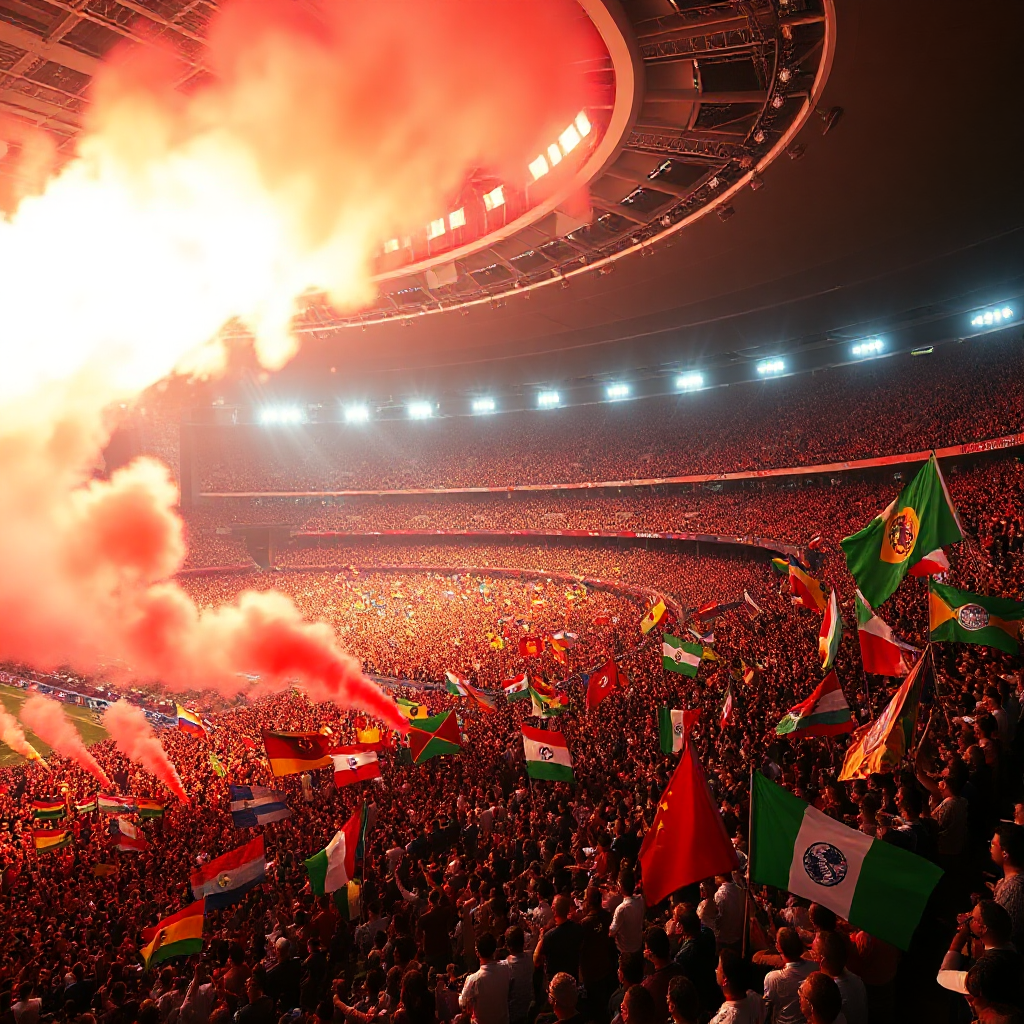
 Hình minh hoạ: https://hitclub01.design/
Tactical Breakdown and Match Context
Early fixtures demand disciplined spatial awareness over aggressive risk-taking. Coaches deploying back-three architectures aim to neutralize wide overload threats while channeling build-up play into congested central corridors. Midfield duels will dictate territorial advantage, with holding players tasked with disrupting second-phase attacks and initiating quick counter-movements. Late matches shift toward controlled aggression. Possession-dominant sides rely on progressive passing lanes to bypass mid-block presses, while transition-focused opponents exploit space behind advanced fullbacks. Set pieces remain decisive across all time slots, particularly during dead-ball situations near penalty areas where aerial duels and defensive marking assignments determine scoring probability. Managerial adjustments during the sixty-to-seventh-five-minute window frequently alter momentum, making substitution patterns critical for predicting final outcomes.

Form, Standings, and Key Metrics
Current group tables show tight margins between qualification tiers and knockout-phase positioning. Teams occupying upper echelons prioritize ball retention and low-risk progression, while squads battling for advancement deploy high-intensity pressing to force turnovers in dangerous zones. Recent five-match records indicate fluctuating defensive solidity, with several clubs conceding late opportunities due to fatigue-induced concentration drops. Expected goal differentials suggest narrow win probabilities, reinforcing the need for meticulous attention to tactical flexibility during shifting game states. Historical head-to-head data reveals that teams facing identical scheduling congestion within fourteen days frequently experience reduced sprint distances and delayed recovery sprints. Standings implications intensify as fixture density increases, making point accumulation secondary to positional security and tactical consistency.
Post-Match Timeline and Upcoming Fixtures
Final whistles trigger immediate statistical verification, followed by official match reports released within two hours. Broadcast networks typically air extended highlights and manager press conferences shortly after conclusion, providing direct insight into coaching decisions and player workload management. Knockout-stage implications become clearer once aggregate calculations are finalized, influencing transfer strategies and squad rotation policies ahead of midweek trips. The subsequent fixture calendar introduces travel-heavy routes, requiring managers to balance rest protocols with tactical preparation. Analysts track pitch conditions, weather shifts, and referee appointment tendencies to refine projection models for upcoming rounds. Result validation relies on certified sports data providers, ensuring accuracy before public distribution.

Frequently Asked Questions
- When are lineup confirmations published? Typically ninety minutes before kickoff via official club channels and league verification portals.
- How do scheduling gaps affect performance? Teams playing less than seven days apart frequently show reduced pressing intensity and slower transitional recovery.
- Where can I verify official results? League websites and certified sports data providers publish validated match sheets within two hours of final whistle.
Action Checklist for Tracking Results
- Verify kickoff times against your regional broadcast schedule before matchday.
- Monitor official lineup releases at least one hour prior to whistle.
- Track set-piece conversion rates and defensive marking efficiency during first forty minutes.
- Review post-match statistical summaries for expected goal differentials and possession quality metrics.
- Adjust follow-up viewing plans based on aggregate standings and knockout qualification thresholds.