Sweeper-Keeper Responsibilities in High-Pressing Systems: A Practical Review of What Actually Works
Sweeper-Keeper Responsibilities in High-Pressing Systems: A Practical Review of What Actually Works
Picture a cold Tuesday night in the Champions League. The home team is chasing a one-goal deficit, and their manager has instructed the entire back line to push fifteen metres higher. The opponent's striker, isolated and seemingly harmless, begins to drift toward the halfway line. In a split second, the goalkeeper—who had been standing on the edge of his own penalty area—runs twenty metres out, takes a touch, and slides the ball into touch. The crowd roars. Nothing has been scored, no save has been made, but the game has been changed. That is the sweeper-keeper in a high-pressing system: not a shot-stopper, not a passer, but a third centre-back, a screen, and a tactical liberator rolled into one.
This review breaks down the sweeper-keeper role from a practical standpoint, the way a product reviewer would test a new tool—not with branded hype, but with a checklist of what to verify before you decide whether this style of play truly suits your team. If you are also following tactical betting markets or reviewing match projections on platforms such as 789F Trang Chủ Chính Thức, understanding goalkeeper behaviour can sharpen how you read live match conditions, especially when a team presses high.
What Fans and Analysts Are Really Searching For
When people ask about sweeper-keeper responsibilities, they rarely want a dictionary definition. They want to understand three things. First, why has the role become so fashionable? Second, what exact movements and decisions does a keeper make outside the penalty box? Third, how does the role fail—because every tactical fashion produces casualties as well as highlights.
There is also a quieter fourth question. Fans who follow betting odds and match previews often see phrases like "high defensive line" or "aggressive goalkeeping" thrown around. They suspect that a goalkeeper who acts as a sweeper creates more match events, more corners in dangerous areas, more one-on-one situations. Sometimes that leads to spectacular goals. Sometimes it leads to catastrophic own-goal chaos. The honest answer is: both outcomes are possible, and the role is still misunderstood.
 Hình minh hoạ: 789F Trang Chủ Chính Thức
The Sweeper-Keeper Explained Without the Hype
A sweeper-keeper is a goalkeeper who regularly leaves the penalty area with the ball at his feet, not just in emergencies but as a standard tactical option. In a high-pressing system, the team's first line of pressure sits high up the pitch, often thirty or forty metres from the opponent's goal. The space behind the defensive line becomes enormous. If a striker slips through, the distance between the defender and the goal is so large that a traditional goalkeeper, rooted to his line, would be helpless.
So the keeper acts as an auxiliary defender. He sweeps up long balls, intercepts through passes, and rushes out to deny strikers when they make their first touch. But that is only half of the story. The other half is distribution. Because the team presses high, the opposition often plays long balls into the channels. The keeper receives those balls, breaks the pressure by playing a short pass to a centre-back or a pivot midfielder, and immediately resets the attack. In this sense, the keeper is the first attacker as much as the last defender.
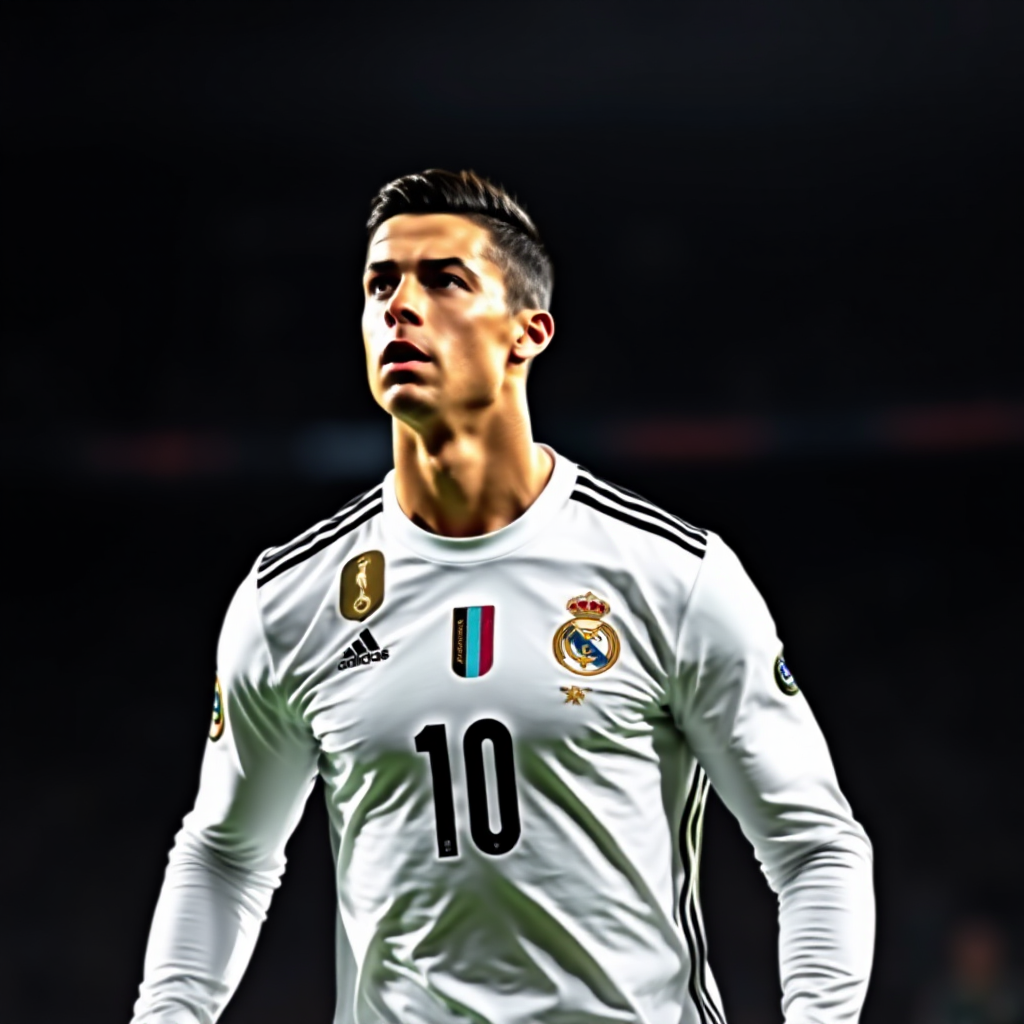
Step-by-Step: How a Sweeper-Keeper Operates in a Pressing System
To see the role clearly, divide it into four repeating phases. Each phase requires a different skill set, and each can be tested with hard evidence rather than anecdote.
Phase One: Positioning Above the Penalty Spot
In a high press, a goalkeeper cannot hug his goal line. He must stand several metres above the penalty spot, often on the edge of the box, so his body position mirrors the high line of his defenders. This positioning shortens the distance to a defender who has turned and faces his own goal. It also creates visual communication: the keeper sees the whole pitch and can shout adjustments. A keeper who stands too deep forces the defensive line to retreat. A keeper who stands too high leaves his own goal open to a simple chip. The right height is a constant calculation, and every professional does it slightly differently.
Phase Two: Reading Long Balls and Through Balls
This is the core of the sweeper-keeper skill set. The keeper must judge whether a long ball is meant for a teammate or an opponent, whether the ball will bounce before the striker receives it, and whether he can reach the ball before the striker's first touch. The best sweepers do not actually tackle or slide very often. Instead, they take clean first touches that let them pass the ball calmly. If the striker is closer to the ball, the keeper still has an option: rush out, make himself big, and force a rushed shot.
Phase Three: Working as the Eleventh Outfield Player
In modern pressing systems, the keeper must be comfortable receiving back passes under pressure. This is not about launching long balls; it is about keeping possession when the opponent's forwards close down the centre-backs. The keeper acts as a free man, offering angles that outfield players cannot find. He often receives the ball in the channels, takes one or two touches, and releases a pass into midfield. Teams that cannot do this fall apart against high presses, because opponents quickly learn that pressing the keeper creates panic.
Phase Four: Recovery Runs and Emergency Defence
When the press is broken, the keeper must sprint back. A sweeper-keeper makes recovery runs not because he is athletic, but because he knows that the space behind him is his responsibility. If a winger breaks down the flank and cuts inside, the keeper must choose whether to stay on his line or charge out to block the shot. In a high-pressing game, the keeper's decision in this phase is the difference between a save and a red card.

Deconstructing the Advertising Claims: A Checklist to Verify Every Time
Every football pundit and tactical blog sells the sweeper-keeper as a revolutionary solution. Coaches demand it, analysts praise it, and television graphics illustrate it. But as any careful reviewer should, we need to take those claims and ask: how do we verify them?
- Claim: "The sweeper-keeper gives you complete control of the space behind the line." Verify this by counting how many scoring chances the opposition creates from balls played over the top. If the keeper is truly sweeping well, those chances should be rare and low-quality. If the team still concedes two or three clear one-on-ones per game, the claim is false.
- Claim: "A great goalkeeper with good feet transforms the build-up." Look at the team's pass completion rate from the goalkeeper's backward passes, not just total passes. A keeper who passes sideways to defenders without progressing the ball is not helping the attack; he is merely securing possession statistics.
- Claim: "The keeper's aggressive positioning stops counters before they start." Test this by watching the opposition's breaks from set pieces. If the keeper is too far forward during a corner and the opponent clears the ball wide, the ensuing counter-attack often finds an empty net. The number of "near-misses from counter-attacks after set pieces" tells you whether the aggression is controlled or reckless.
- Claim: "This style wins matches because it creates numerical superiority." Verify by counting how often the extra outfield presence of the keeper actually leads to a successful combination play in the opponent's half. A keeper who occasionally dribbles out, but then loses the ball at the halfway line, has created numerical superiority for the wrong team.
Now let's speak honestly about the betting and match-preview angle. Many casual viewers consult odds pages to see which team is favoured in a high-pressing matchup. A useful habit is to compare the two goalkeepers' playing styles, not just their save percentages. A team that presses high with a traditional keeper is a different betting proposition from a team that presses high with a sweeper-keeper. The former often produces matches with more total corners and more goals in transition; the latter tends to keep matches more controlled. This is not a confirmed rule, but it is a reasonable frame to apply. If you want to read the odds carefully, you can study the general 1X2 market options like kèo châu Âu tại 789F as a starting point for comparing match expectations, always remembering that real-world events are not guaranteed.
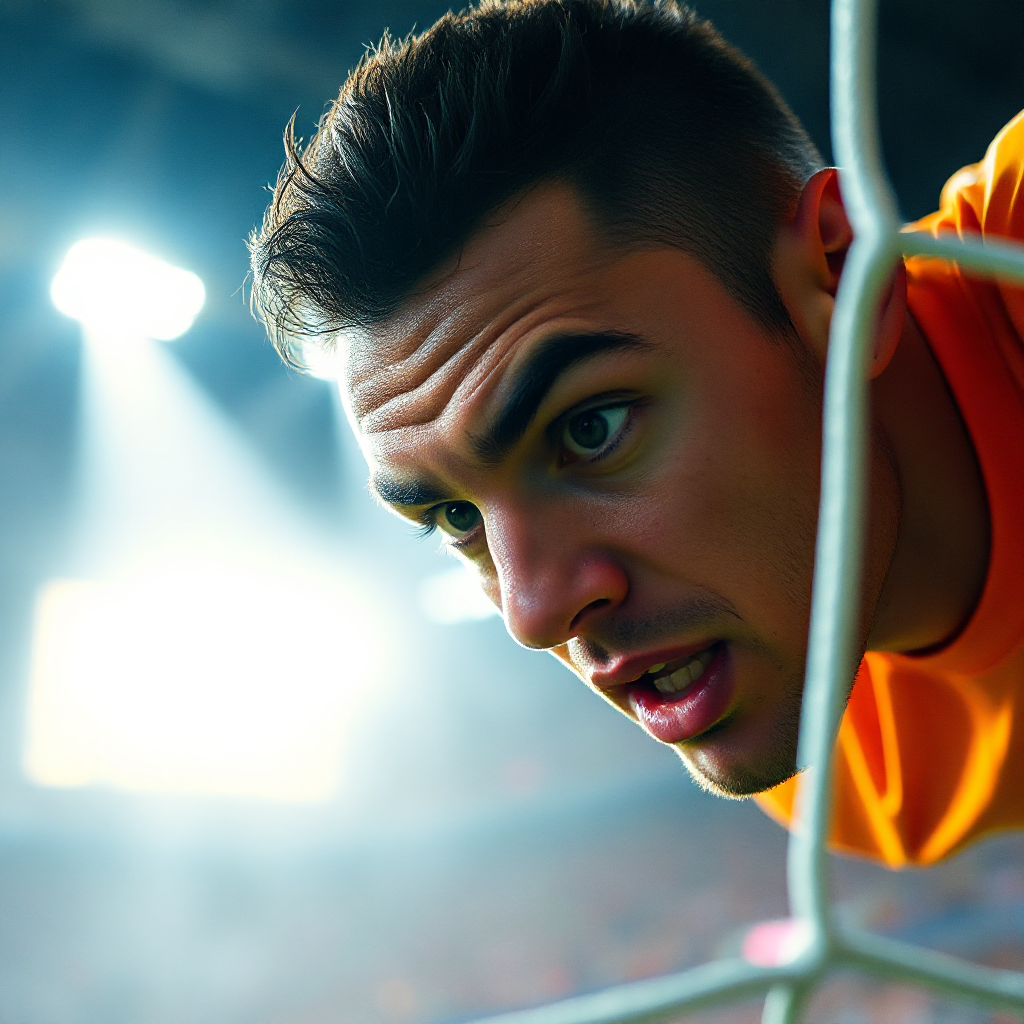
The Risks of the Sweeper-Keeper That Nobody Puts on the Poster
No role is flawless. The sweeper-keeper has a list of vulnerabilities that every honest review must mention.
The most obvious risk is the loss of focus on shot-stopping. A keeper who spends hours practising passes and high positioning may lose the reflex sharpness needed for close-range reaction saves. When a team faces ten penalties and clear-cut chances, the keeper's traditional save ability remains essential. Sweeping cannot replace that.
Another risk involves communication breakdown. The high defensive line depends on the keeper being the loudest person on the pitch. He must tell centre-backs when to hold, when to step, and when to drop. If the team plays in a noisy stadium, this communication is unreliable. Many high-pressing teams switch to a deeper line in away matches precisely because their keeper cannot be heard.
There is also the problem of managerial vanity. Some coaches adopt a sweeper-keeper because it looks modern, not because their goalkeeper has the technical skill or the decision-making speed for it. That mismatch produces errors that are much worse than a traditional goalkeeper's errors, because they take place twenty metres from goal. A defensive error by an outfield player usually leaves the keeper to make a save. A defensive error by the keeper leaves an empty net.
Frequently Asked Questions
Why do high-pressing teams lose more goals to long-range shots?
Not every team does, but the ones that do often create a specific pattern. When the keeper stands high, the opponent's midfielders see the goal as an inviting target from thirty metres. If the keeper's recovery positioning is slow, those long-range efforts become genuine threats. The fix is not to abandon the high line, but to have the keeper drop slightly when the ball sits in the opponent's half.
Can a traditional goalkeeper be taught to become a sweeper?
Sometimes, but it depends on footwork and straight-line speed. A keeper who is fast over short distances can learn the positioning cues. A keeper who struggles to control the ball under pressure will never become a reliable sweeper, no matter how many sessions the coaching staff runs. Clubs now scout goalkeepers for their "feet" just as much as for their hands.
Does the sweeper-keeper make the team more or less exciting for spectators?
This is the only answer that is almost always true: it makes matches more open. If the sweeper succeeds, fans see quicker build-up and more aggressive pressing. If he fails, fans see absurd goals and chaotic counter-attacks. Either way, the match is rarely boring.
Final Recommendations by Reader Group
For coaches and new tactical analysts, the best first step is to videotape your own matches and count how often your keeper leaves the penalty area. That number is the baseline. Then compare it with the number of dangerous opponent attacks from the space behind the line. If your keeper is sweeping ten times per game but your team still concedes from breaks, the role is not being applied correctly.
For goalkeepers themselves, treat the sweeper-keeper not as a glorious calling, but as a technical skill with a narrow margin for error. Focus on first-touch control, sideways passing, and the courage to stay on your feet when a striker runs at you. Do not slide tackle unless you have no alternative. A goalkeeper who stays upright can cover more ground, and a grounded keeper is a beaten keeper.
For fans who watch matches with betting slips in hand, keep the rating of a team's goalkeeping style in your personal memory bank. Reviews on betting platforms will tell you which team has the better squad, but they rarely tell you how the keeper handles a one-on-one against a pacy striker. A strong sweeping goalkeeper can negate a defensive weakness; a nervous one can expose an otherwise solid team. Use every resource, including live viewing, because the visible reality of a match will always beat a static prediction.
The sweeper-keeper is not a magic answer, but for teams that press high, he is close to a necessity. The question is whether the keeper can carry the responsibility. Watch the next match with a careful eye: you will see him close to the halfway line, offering an outlet, rushing out for a clear, and occasionally making a mess. And in that mess lies the true story of the sweeper-keeper's craft.